
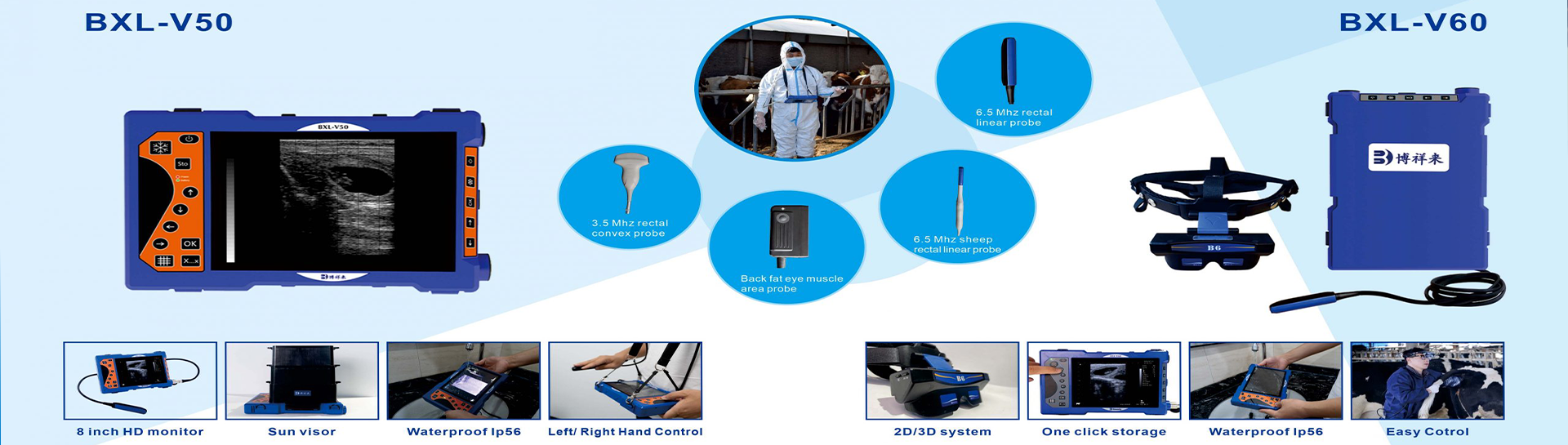
Veterinary ultrasound System: Advanced Imaging Technology for Accurate Animal Diagnosis
In modern veterinary medicine, accurate diagnosis and timely treatment are essential for maintaining animal health and improving farm productivity. A veterinary ultrasound system has become one of the most important diagnostic tools used by veterinarians, livestock farmers, and animal hospitals. With advanced imaging technology, these systems allow professionals to examine internal organs, monitor pregnancies, and detect diseases quickly and safely.
From livestock farms and equine clinics to small animal hospitals, veterinary ultrasound technology provides real-time imaging that supports better decision-making and more effective animal care.

What Is a Veterinary Ultrasound System?
A veterinary ultrasound system is a diagnostic imaging device that uses high-frequency sound waves to produce detailed images of internal tissues and organs. These images help veterinarians observe structures such as the heart, liver, kidneys, bladder, reproductive organs, and developing fetuses.
Unlike traditional diagnostic methods, ultrasound imaging is non-invasive, radiation-free, and safe for repeated use, making it an ideal tool for routine examinations and emergency diagnostics.
Modern portable veterinary ultrasound systems are designed for both clinic and field environments, offering high-resolution imaging and flexible operation for different types of animals.
Key Applications of Veterinary Ultrasound Systems
Pregnancy Diagnosis and Reproductive Management
One of the most common uses of a veterinary ultrasound system is pregnancy detection in livestock such as cattle, pigs, sheep, and goats. Early pregnancy diagnosis allows farmers to optimize breeding programs and improve herd productivity.
Ultrasound imaging also helps veterinarians monitor ovarian activity, uterine health, and fetal development, which are essential for reproductive management.
Internal Organ Examination
Veterinary ultrasound systems provide detailed imaging of internal organs including the liver, kidneys, bladder, and digestive system. This helps detect abnormalities such as cysts, tumors, infections, or fluid accumulation.
Cardiac and Soft Tissue Imaging
In both livestock and companion animals, ultrasound can be used to evaluate heart function, soft tissues, and abdominal structures, supporting accurate diagnosis and treatment planning.
Musculoskeletal Imaging in Horses
In equine medicine, ultrasound plays a critical role in examining tendons, ligaments, and muscle injuries, helping veterinarians diagnose and manage performance-related injuries.
Advantages of Modern Veterinary Ultrasound Systems
Real-Time Diagnostic Imaging
A veterinary ultrasound system provides instant imaging results, allowing veterinarians to make faster and more accurate clinical decisions.
Portable and Flexible Design
Many modern portable veterinary ultrasound machines are lightweight and battery-powered, enabling veterinarians to perform examinations in farms, barns, and remote locations.
High-Resolution Image Quality
Advanced imaging technology ensures clear and precise visualization of internal structures, improving diagnostic confidence.
Improved Animal Welfare
Because ultrasound imaging is safe, painless, and non-invasive, animals experience minimal stress during examinations.
Important Features of a Professional Veterinary Ultrasound System
When selecting a veterinary ultrasound system, veterinary professionals should consider the following features:
High-definition imaging technology
Portable and ergonomic design
Long battery life for field use
Multiple probes for different animal species
Durable construction for farm and clinic environments
User-friendly interface with fast image processing
These features ensure reliable performance for daily veterinary diagnostics.
The Future of Veterinary Diagnostic Imaging
As veterinary medicine continues to evolve, veterinary ultrasound systems are becoming more advanced and accessible. New technologies such as wireless connectivity, digital image storage, and enhanced imaging modes are improving the efficiency of veterinary diagnostics.
For veterinarians, livestock producers, and animal hospitals, investing in a high-quality veterinary ultrasound system is an important step toward improving animal health, reproductive success, and overall veterinary care.
With its versatility and diagnostic power, the veterinary ultrasound system remains one of the most valuable tools in modern animal healthcare.
tags: veterinary ultrasound system